

The production process of gaseous sulfonic acid (LABSA) goes through several precise stages within sulfonation plants, and these stages are the fundamental factor in obtaining a high-quality product that meets the requirements of the detergent industry.
First Stage: Raw Material Preparation
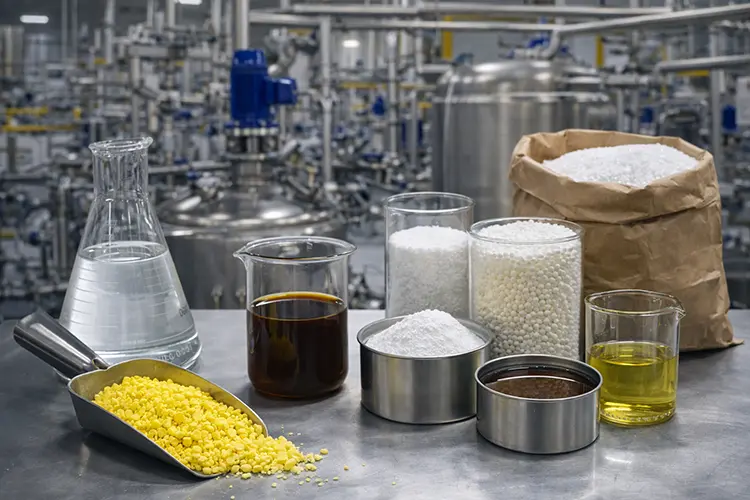
The process begins with preparing the basic raw materials, primarily sulfur and linear alkyl benzene (LAB), where their quality and compliance with specifications are verified before entering the production lines.
Second Stage: Production of Sulfur Trioxide Gas (SO₃)
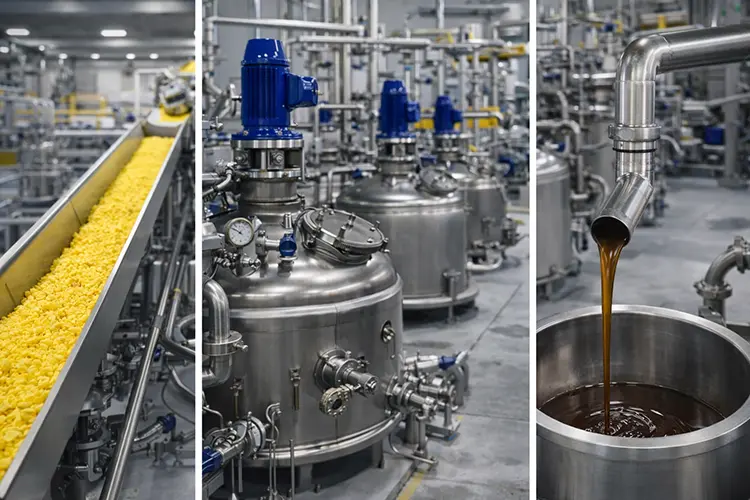
In this stage, sulfur is melted and converted from solid to liquid state, then burned to produce sulfur trioxide gas (SO₃), using dedicated units that ensure complete control of the process.
Third Stage: Sulfonation Stage (Reaction)
The (SO₃) gas reacts with alkyl benzene inside the reactor unit, producing sulfonic acid (LABSA), with precise control of temperatures and reaction ratios to ensure quality consistency.
Fourth Stage: Treatment and Storage
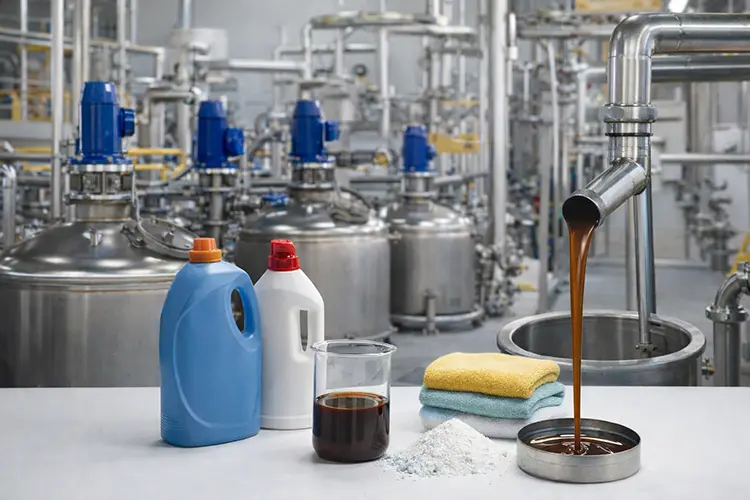
After the reaction is complete, the resulting gases are treated using neutralizing materials, then the final product is transferred to dedicated storage tanks, in preparation for supply to the local market or export.
Importance of Production Stage Control
Strict adherence to each production stage contributes to obtaining sulfonic acid characterized by stable properties and quality performance, which detergent manufacturers rely on for their final products.